Corporate Video
How to Plan a Corporate Video That People Actually Watch

From the brief to the final cut — a step-by-step guide to planning a corporate film with purpose.
Corporate videos have a reputation for being dull: slow pans across office lobbies, stiff interviews, generic music. It doesn't have to be that way. A corporate film planned around its audience can be as engaging as any commercial.
Define the audience first
A film for prospective clients needs different content from one for new employees or investors. Write down who will watch, where they'll watch it and what they need to believe afterwards.
Find the story, not just the facts
Facts — founding year, capacity, certifications — matter, but they're not a story. Look for the tension: a problem you solved, a decision that changed the company, a customer whose business improved because of you. Build the film around that, and let the facts support it.
Choose the right voices
Founders and department heads usually make the most credible on-camera voices. Choose people who are passionate about the subject, then give them time to prepare and get comfortable before the camera rolls.
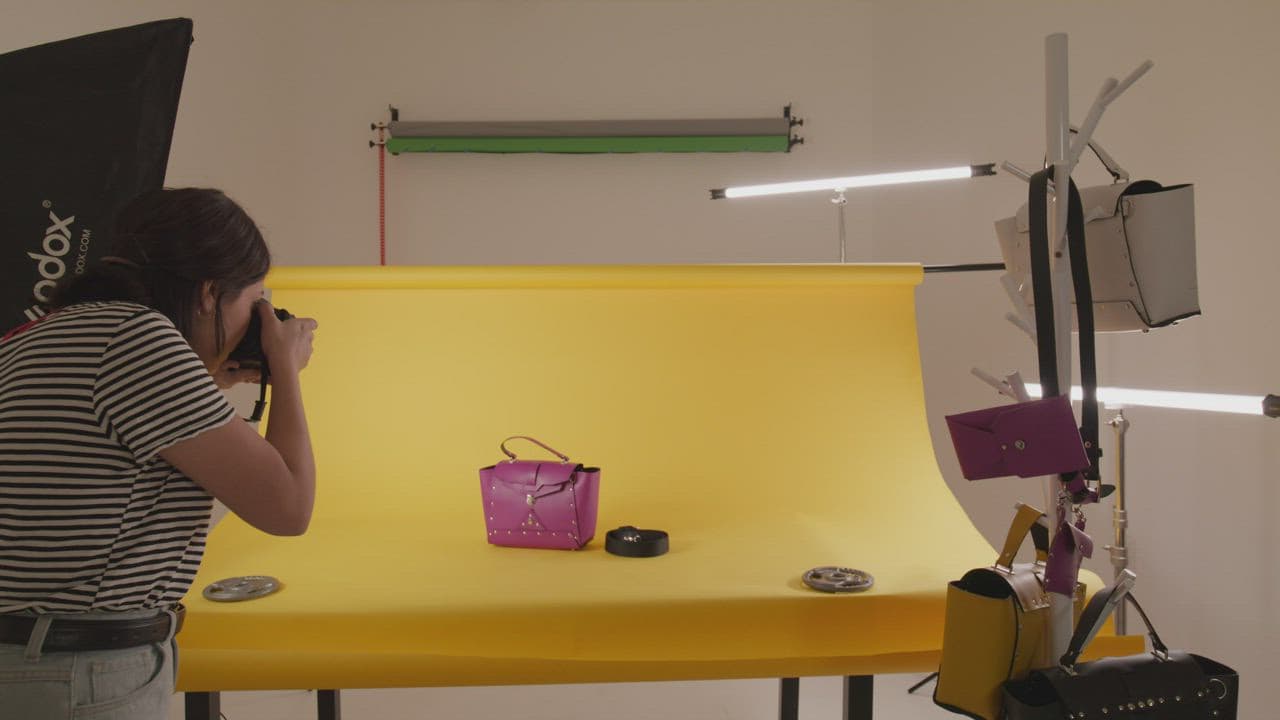
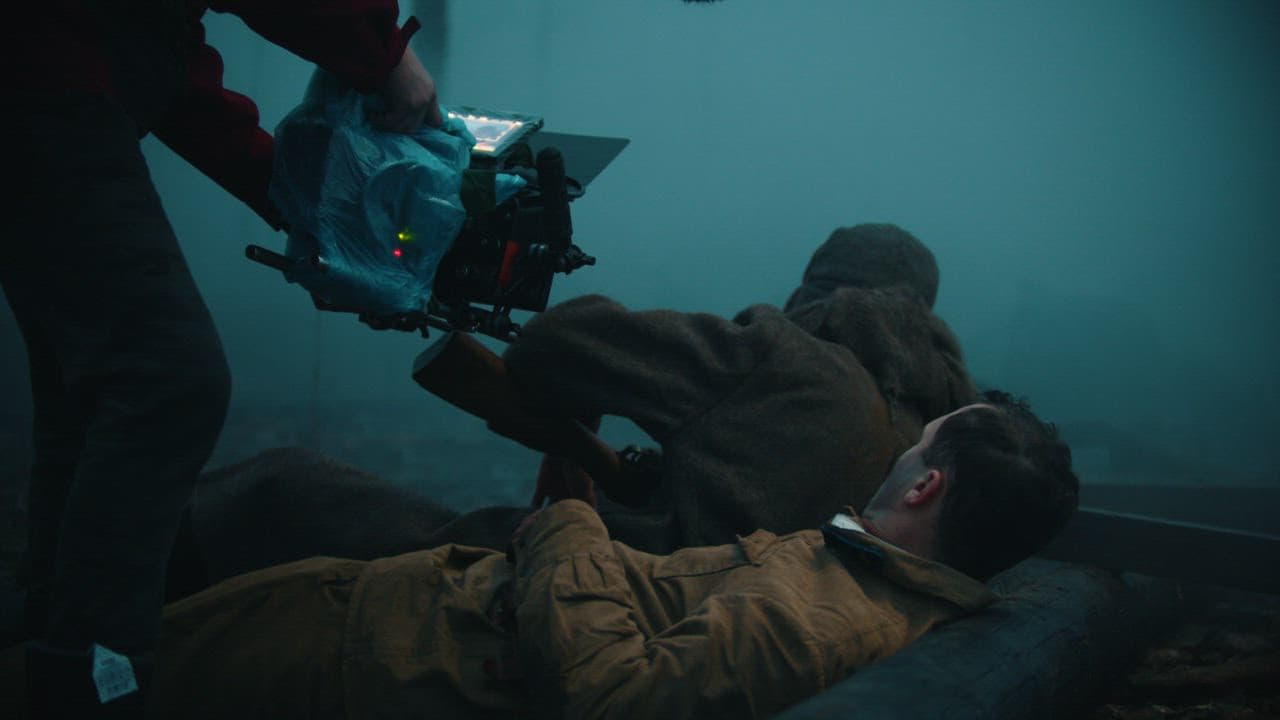
Plan the shoot like a production
- A script or interview outline approved in advance
- A shot list covering people, processes, products and places
- A schedule that works around operations and shift timings
- Safety inductions and permissions for restricted areas
- Backup slots for weather-dependent drone or outdoor shots
Keep it shorter than you think
Two to four minutes is plenty for most corporate films. Shorter cut-downs for social media and presentations will often be watched more than the full version.
Leave room for review
Agree review rounds and decision-makers early. One consolidated set of feedback per round keeps the edit focused and the timeline intact.
With the right planning, a corporate film becomes one of the most-used assets your business owns — in sales meetings, on your website, at trade shows and in recruitment for years to come.